Rules of Protective Styling
How Long To Wear a Style
Typically, protective styles are worn for at a few days, up to about 8 weeks. We recommend keeping most styles in for about 6 weeks. You won’t want to keep a style in for longer than two months because your hair can become dehydrated, and cause you to have increased scalp tension. For this reason, it’s important to learn how to moisturize your scalp properly to maintain healthy hair and promote growth.
How To Prep Your Hair
Before installing any type of protective style, you have to make sure that your hair is in optimal health before tucking it away for a while. Here are some steps you should take to prepare your natural hair before styling it:
Trim: In preparation for your new look, make sure you get rid of any split ends. Even if you haven’t noticed extreme damage to your ends, getting a trim every 3 or so months is an important healthy hair habit. This trim is going to promote hair growth before your style is installed. If your hair is not trimmed, it can cause more breakage and damage to go up toward the shaft of the hair. Getting regular trims will not only look and feel good, but your hair will be easier to detangle.
Wash: To get the most out of a protective style, your hair must be thoroughly washed, conditioned, and moisturized before the style is installed. Our Strengthening Shampoo is great for nourishing and cleansing hair. This scalp-tingling hair strengthening shampoo is infused with organic seed oils and biotin to bring your hair back to life, just in time for your new protective style.
Deep Condition: On wash day, don’t forget to incorporate a deep conditioning treatment to ensure your hair is as strong and healthy as possible before putting the style in for the next few days or weeks. We recommend using our hair care product. Including ingredients like rosemary, honey, coconut oil, and biotin, this masque is going to give your hair the deep moisture it needs to be healthy and grow, grow, grow!
Maintaining Your Protective Style
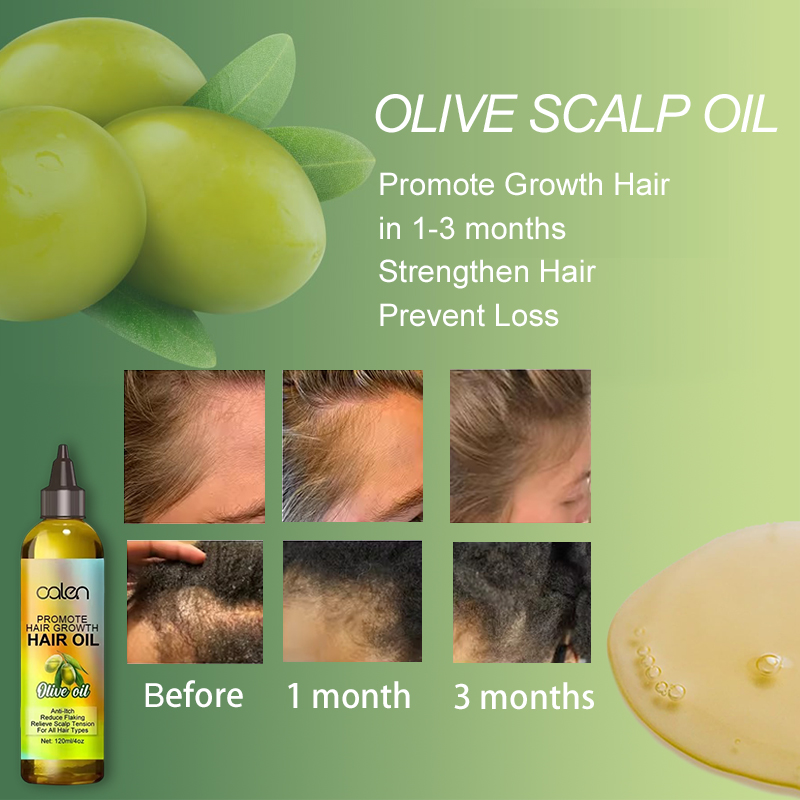
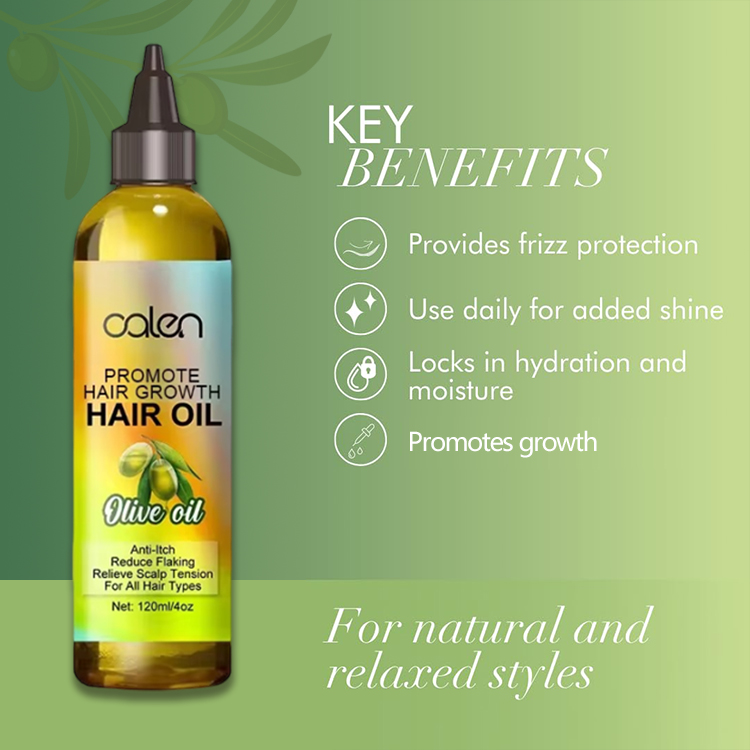
After the time you probably spent in a chair and the money you might have to spend getting a new protective style installed, you will want to get the most out of your new do! To keep your look hydrated, healthy, and fresh, you will need the right products and to protect your hair at night. Wear a headscarf, or use a silk pillowcase. Tie a satin or silk scarf around your head to maintain moisture and keep the style frizz-free. Each morning, you will need little product and manipulation to get ready for your day. To hydrate your scalp, use our Scalp Oil. This hair strengthening oil promotes hair growth and nourishes hair follicles. To slick your edges down, we recommend using curly hair styling products like our Edge Gel.
5 Styles
When choosing the right style, you will want to consider your hair type, hair length, and hair texture. Type 4 hair is more fragile, and prone to breakage, so choosing the right protective style is key to helping your hair grow and stay healthy. Those with less coily hair may not experience the same amount of breakage from certain styles like braids, which may pull on the scalp and edges. Knowing your hair type, identifying your hair goals, and figuring out what you might be doing while wearing the style will help you pick the right one. Here are the many styles to choose from based on your hair goals and needs:
1. Cornrows
Cornrows are a popular and versatile protective hairstyle that can be worn on all hair types and lengths. Cornrows are a style of hair braiding in which the hair is braided flat to the scalp in vertically sectioned rows. If you want to have some fun with it, you can add hair extensions and create different design patterns when braiding hair. There are so many ways to have some fun with braided hairstyles for natural hair!
2. Top Knot
The top knot bun is one of the easiest protective styles to achieve and can be styled in so many different ways. Add some fun to the high bun style by adding a side swoop bang or creating one braid, before putting it up into a bun. You can also add extensions to your hair to create a more full and dramatic look. Style your hair and edges using our Rosemary Mint Strengthening Edge Gel.
3. Bantu Knots
Bantu knots are continuing to be reinvented by black women around the world, on red carpets and fashion runways. They’re styled by sectioning your hair and twisting those sections around themselves, forming tiny knots all around the head. You can wear this protective style for up to 2 weeks. After you take them out, you can also wear your curls as a style, known as a “Bantu knot out.” To get perfectly styled Bantu knots, we recommend our curl cream for flawless edges, try our Edge Gel.
4. Box Braids
One of the most popular protective braided styles you’ve probably heard of is box braids. They are achieved by sectioning the hair off into square shapes, then braiding it. They are most often installed using extensions. This style can be worn in all types of lengths, sizes, and colors. With the right amount of care, this style can last up to 8 weeks. To keep your hair hydrated and healthy while it's in these natural hair braids, use a hair strengthening oil.
5. Crochet Braids
Crochet braids are also known as latch hook braids, which are a special method of braiding that builds off of hair that’s been cornrowed, to which extensions are added, using a crochet needle. There isn't much you can’t do with this protective style – you can switch up the length, color, style, and texture. These protective braids are quick to install and are one of the most maintainable protective styles. The many different style options that can be worn on crochet braids include crochet twist out, crochet Senegalese twists, crochet box braids, faux locs, water wave crochet braids, and straight crochet braids.
Start Styling
So, now that you know all the best protective styles for hair growth, you’re ready to try them out! Choose the style that is best for your hair type, or try out a few until you figure out what works best. Then, try our natural hair products to protect your hair and maintain the style. Once you start incorporating these protective styles, your curls will thank you for it.


